
Tucked quietly into the rural landscape of Prince George's County, the Croom area is known today for its protected farmland, historic estates, and the peaceful expanse of Patuxent River Park. But if you were to stand along the riverbanks in the early 1940s, the quiet would have been frequently broken by the roar of airplane engines.
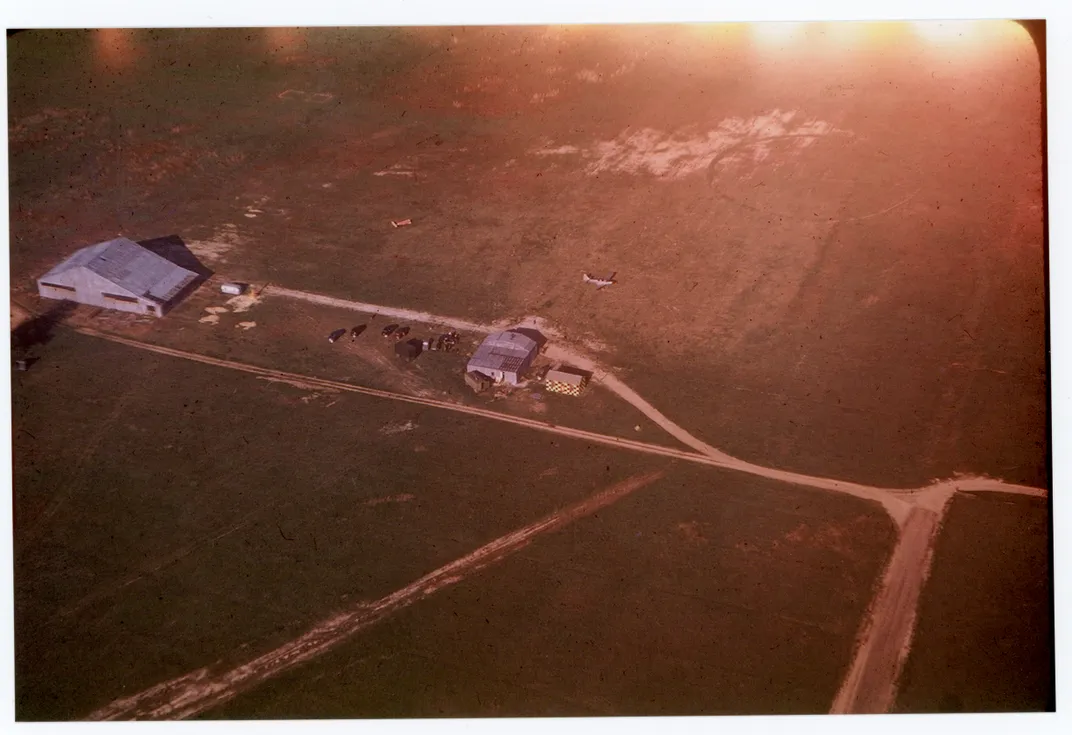
Long before the modern park was established, a 120-acre farm field in Croom became the site of a groundbreaking chapter in American history. It was here that the Columbia Air Center was born—the very first licensed, Black-owned and operated airport in the United States.
For the people who live in Croom today, this story adds a remarkable layer to the land they call home. The history of the Columbia Air Center is a testament to perseverance, community, and the pioneering spirit of early aviators who refused to be grounded by the racial prejudices of their time.
Finding a Home on the Patuxent
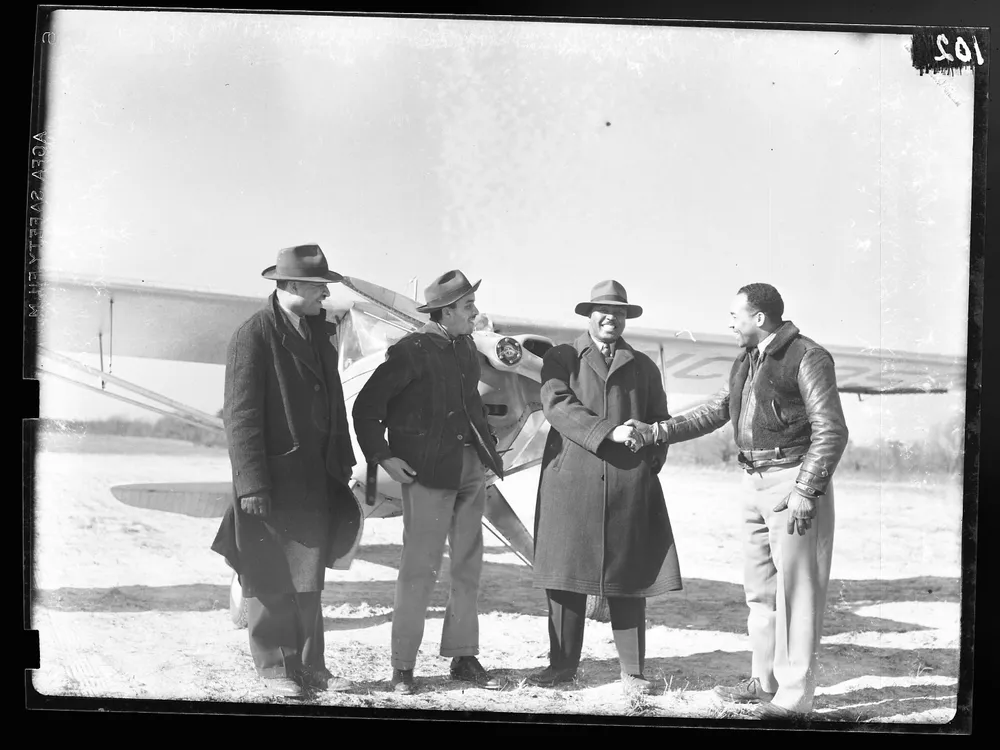
In the late 1930s, the Washington, D.C. area was home to a growing number of African American aviation enthusiasts. Among them was Charles Alfred “Chief” Anderson, a pioneering flight instructor who would later become known as the “Father of the Tuskegee Airmen.” Anderson taught a group of ambitious young students who eventually formed their own flying club, known as the Cloud Club.
As their numbers grew, so did the hostility they faced at segregated airfields closer to the city. Evicted from one airport and harassed at another, the Cloud Club set out to find a place of its own. After weeks of searching, members were tipped off about a flat, fallow field along the Patuxent River in Croom.
Despite being 25 miles southeast of D.C., the location was perfect. The club leased the land for $30 a month, and by late 1940 Riverside Airfield was open for business. It was an integrated space where Black and white pilots alike could learn, fly, and gather.
A Thriving Hub of Aviation and Community
The airfield quickly became more than a place to park planes; it was a vibrant social center. The Cloud Club built hangars, laid out grass runways, and hosted air shows, crab feasts, and motorcycle races that drew hundreds of spectators from across the region.
Famed jazz musician Jimmie Lunceford, an aspiring pilot himself, helped fund the airport and earned his wings in Croom. The airfield also hosted the Civilian Pilot Training Program for Howard University, providing crucial early training for Black pilots on the eve of World War II.
When the United States entered the war, civilian flying was restricted and the U.S. Navy commandeered the Croom airfield for training. But the story did not end there.
The Columbia Air Center Era
In 1944, after the Navy vacated the property, former airport manager and pioneering aviator John W. Greene Jr. partnered with Dr. Coleridge M. Gill to reopen the facility. They renamed it the Columbia Air Center.
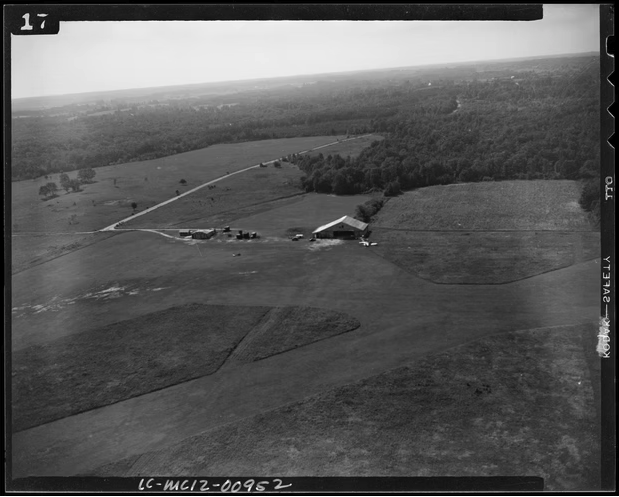
Under Greene’s leadership, the airport expanded to eight runways and offered charter services, aircraft sales, and a lunchroom. Greene, a trailblazer who held the first airplane engine mechanic’s license issued to an African American, also established the first all-Black Civil Air Patrol squadron—the Columbia Squadron—right here in Croom.
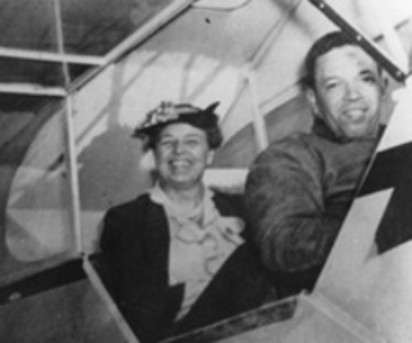
For the next decade, the Columbia Air Center was a beacon of opportunity. It served as a training ground for veterans returning from the war, including former Tuskegee Airmen, and introduced countless young people to aviation. Among its alumni was Captain Fred M. A. Pitcher, who learned to fly at the center and later became the first African American commercial pilot hired by Western Airlines in 1965.
A Legacy Preserved in the Landscape
The Columbia Air Center continued operating under various managers until 1962, when the landowner died and the lease ended. The Maryland-National Capital Park and Planning Commission later purchased the land and incorporated it into what is now Patuxent River Park.
Today, the physical remnants of the airport are gone, replaced by the natural beauty of the river corridor. But the legacy remains a vital part of Croom’s heritage. It is the story of a community that looked at an empty field and saw the sky.
Why This Matters to Us
Living in Croom means being surrounded by history. From colonial churches to protected agricultural reserves, the landscape tells the story of the people who shaped it. The Columbia Air Center reminds us that this land was also a place of innovation, courage, and breaking barriers.
When we walk the trails of Patuxent River Park today, we are walking on the same ground where aviation pioneers once took flight. It is a profound connection to the past that makes living in this community so uniquely special.
I invite you to visit the parking lot at “The Barn” and read the plaque about this incredible part of our history. Take a moment, reflect, and imagine the airfield and the courage it represented.