
The Patuxent River Park: A Landscape Shaped by Time, Protected by Design
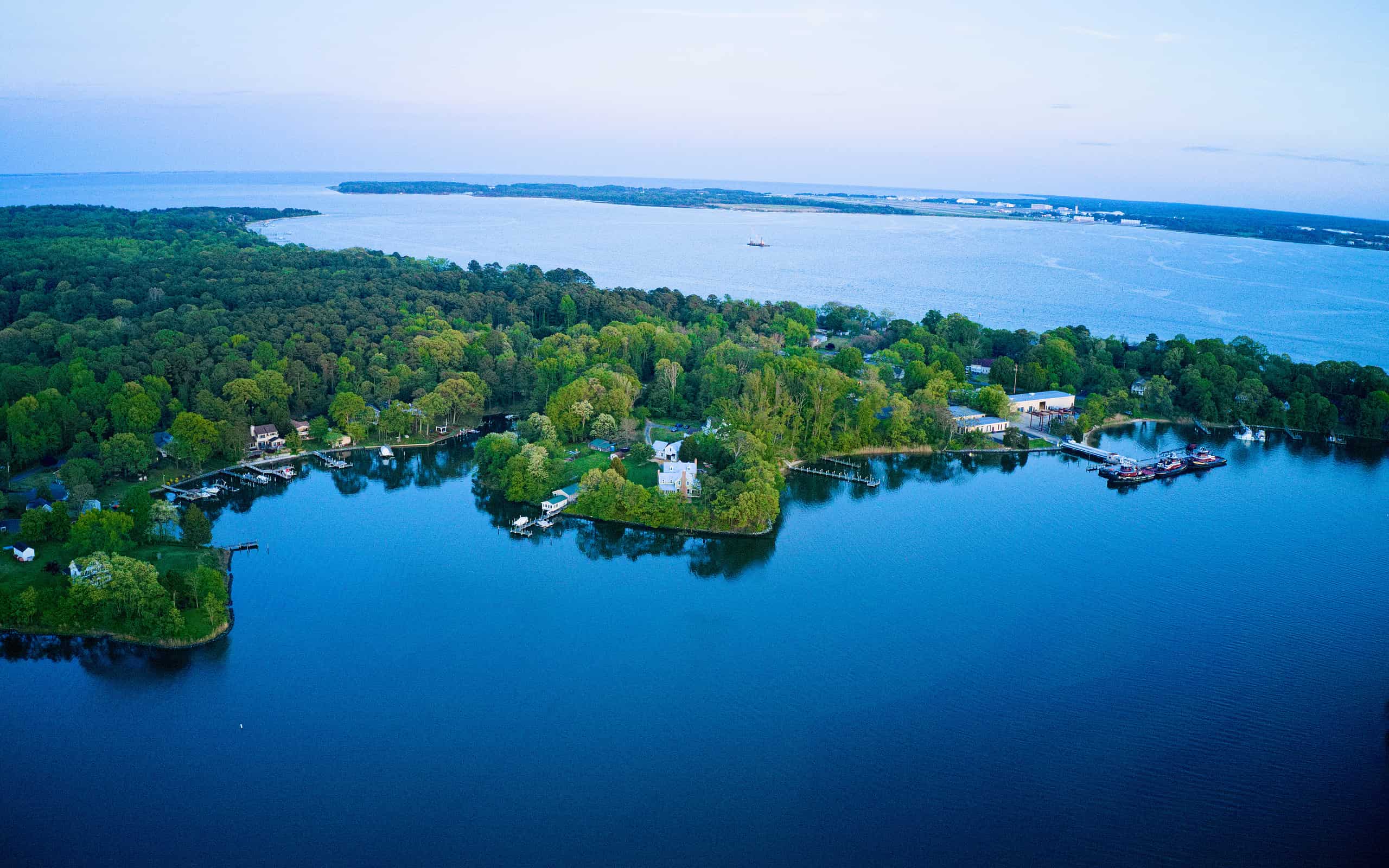
Tucked quietly between suburban growth and rural landscapes, The Patuxent River Park is one of those rare places where history, ecology, and community values intersect. Stretching along the longest river entirely within Maryland, The Patuxent River flows through or borders seven counties: Montgomery, Howard, Prince George's, Anne Arundel, Charles, Calvert, and St. Mary's, and is far more than preserved green space. It is the result of centuries of natural formation and decades of intentional conservation.
Spanning approximately 7,400 acres, Patuxent River Park is contiguous with the Merkle Wildlife Sanctuary, together creating a remarkable 9,400-acre corridor of permanently preserved land. For those who live nearby, this scale of uninterrupted protection is both rare and deeply meaningful.
A River Millions of Years in the Making
The Patuxent River itself formed millions of years ago as shifting coastal plains and natural erosion carved a path from what is now central Maryland to the Chesapeake Bay. Over time, forests, wetlands, and floodplains developed along its banks, creating one of the most biologically diverse river systems in the Mid-Atlantic.
Long before neighborhoods or roadways existed, Indigenous peoples relied on the river for transportation, fishing, and seasonal settlement. Archaeological evidence of Native American presence, including tools, settlement remnants, and ceremonial sites, continues to be studied today, with ongoing research at the Mount Calvert Historical and Archaeological Park offering valuable insight into thousands of years of human history along the Patuxent.
From Working Lands to Protected Parkland
What many residents don't realize is that large portions of Patuxent River Park were once privately owned farms, tobacco fields, and hunting lands. By the mid-20th century, rapid growth in surrounding counties raised concerns about unchecked development along the river corridor.
In response, Prince George's and Montgomery Counties began acquiring land in the 1960s and 1970s with a long-term vision: preserve the Patuxent River as a continuous natural corridor rather than fragmented green space. This foresight created what is now one of the largest stream valley parks in the region, protecting water quality, wildlife habitat, and scenic views for generations.
That commitment to conservation is one reason nearby communities, including Croom, have retained their rural character despite being within commuting distance of major employment centers.
Little-Known Facts That Make the Park Even More Remarkable
It protects more than scenery.
The Patuxent River Park plays a critical role in safeguarding the region's water quality by preserving forests and wetlands that naturally filter runoff before it reaches the river.
It's a wildlife corridor, not just a park.
Together with Merkle Wildlife Sanctuary, the park forms a vast, uninterrupted habitat that allows species such as river otters, bald eagles, foxes, and migratory birds to thrive unusually close to developed areas.
Some trails follow historic routes.
Several paths trace old farm roads and colonial-era travel routes, meaning a quiet walk today may mirror journeys taken hundreds of years ago.
The night skies are unusually dark.
Because development near the river is limited, stargazing here is noticeably better than in many surrounding communities, a small but meaningful quality-of-life detail for people who live here.
Floodplains were intentionally left untouched.
Rather than engineering around seasonal flooding, planners preserved natural floodplains, allowing the river to behave as it always has, reducing downstream flooding and protecting surrounding land.
Why This Matters to People Who Live Here
Living near Patuxent River Park means more than access to trails and scenic views. It means stability. Large-scale protected land reduces overdevelopment, preserves the character of the area, and helps ensure that the landscapes people value today will remain intact over time.
For local homeowners, the park represents continuity, a guarantee that future growth will respect the natural systems that define the community. For those considering the area, it offers reassurance that this balance between nature and daily life is intentional, not temporary.
A Legacy Worth Protecting
Patuxent River Park is not accidental. It exists because of deliberate choices to protect land, water, and history...choices that continue to benefit the people who live in and around the Patuxent River corridor. Its quiet beauty, deep roots, and ecological importance make it one of Maryland's most meaningful natural assets.
For communities like Croom, the park is more than a backdrop. It's part of the lifestyle, the legacy, and the reason the area feels grounded, protected, and enduring.
Homes near protected land tell a different story.
If you're buying or selling in the Croom or Patuxent River area, Lori Jean Homes Real Estate understands how conservation, history, and location influence long-term value. Start the conversation today: (240) 441-2934 (call/text) or [email protected].